
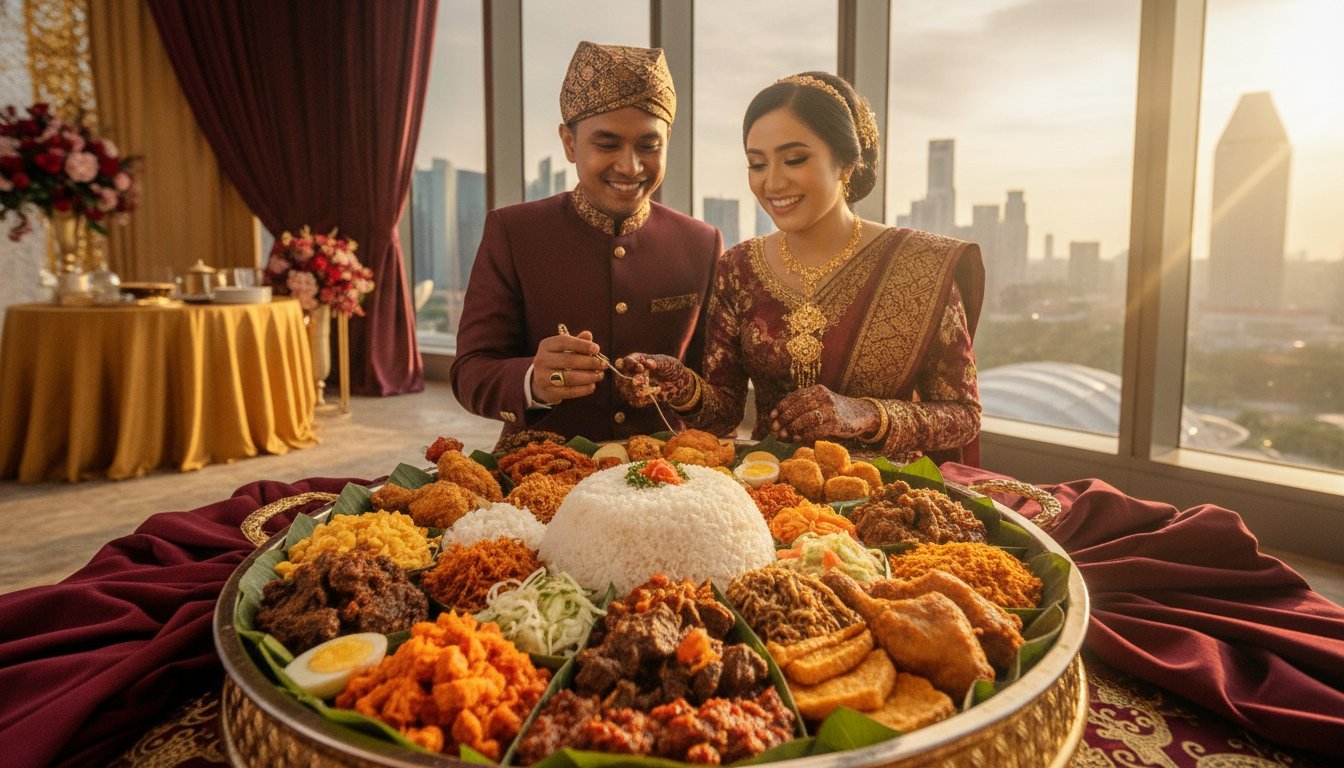

What if the most enduring memory of your special day isn’t the floral arrangements or the music, but the authentic aroma of a perfectly prepared Nasi Ambeng platter? For many couples in Singapore, the pressure to find exceptional halal wedding catering that satisfies both modern tastes and the discerning palates of elders can feel overwhelming. You likely want a celebration that captures the warm, communal spirit of a traditional "Kenduri" while ensuring every logistical detail meets strict professional standards.
This guide helps you master the planning process so you can host a celebration that’s as culturally significant as it is delicious. You’ll learn how to move beyond generic buffet options to find authentic Indonesian flavors and high-quality traditional dishes that resonate with your guests. We will cover essential pricing benchmarks for 2026, tips for verifying caterer credentials, and strategies for creating a seamless dining experience. From selecting the right service tier to ensuring your menu reflects your heritage, this article provides the clarity you need to plan a truly memorable wedding feast.
Key Takeaways
- Explore how heritage dishes like Nasi Ambeng and Nasi Sambal Goreng create a meaningful, flavor-dense centerpiece for a culturally authentic feast.
- Compare the logistical benefits of traditional platter-style service versus modern buffets to determine which approach best suits your venue and guest count.
- Gain practical insights into portioning and dietary management to provide a seamless and inclusive dining experience for all attendees.
- Discover how to select a professional halal wedding catering partner that honors traditional Indonesian flavors while maintaining high operational standards.
The Significance of Halal Catering in Singaporean Wedding Traditions
In Singapore, a wedding is rarely just a private union between two individuals. It’s a grand social occasion that brings together families, neighbors, and the wider community. At the heart of this celebration is the food. Choosing the right halal wedding catering isn’t merely about ticking a logistical box; it’s about honoring a deep-seated cultural expectation for hospitality. Over the decades, the Singaporean culinary landscape has evolved, yet the fundamental role of the wedding feast remains unchanged. It serves as the primary medium through which the host family expresses gratitude and shares their joy with guests from all walks of life.
The Communal Spirit of the Kenduri
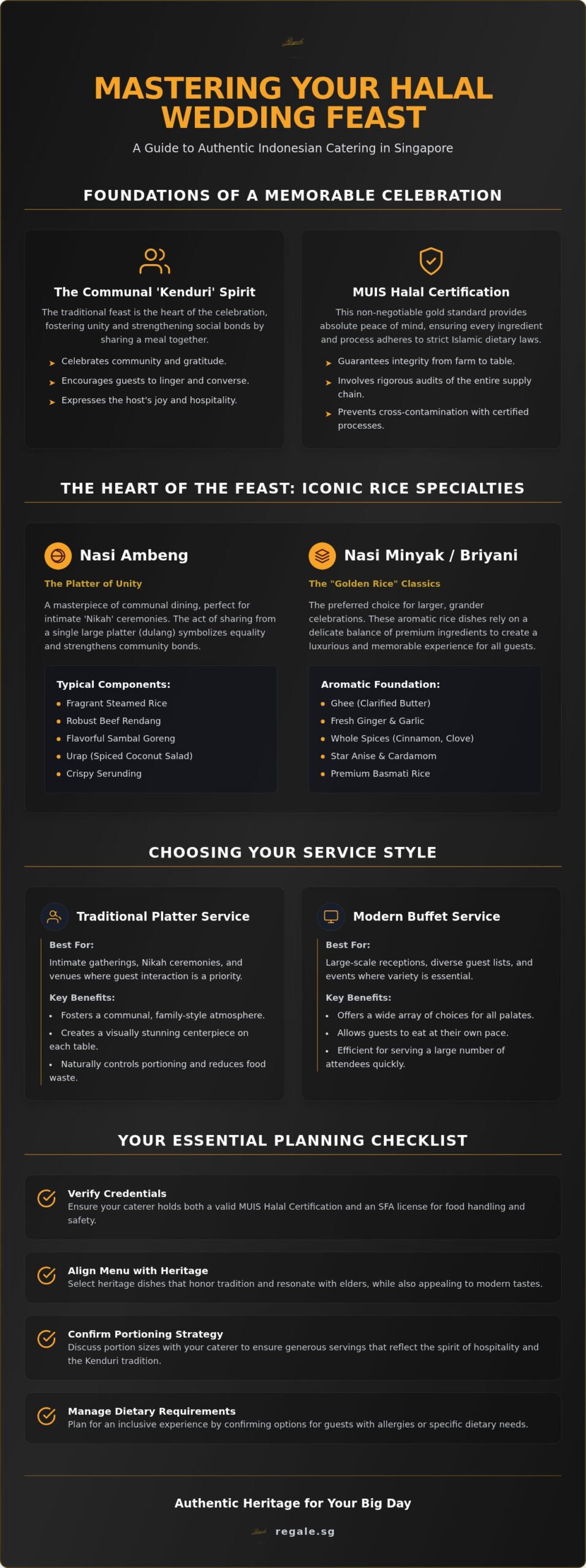
The tradition of the "Kenduri" remains the cornerstone of Malay and Indonesian wedding celebrations. This communal feast is designed to foster unity and strengthen social bonds through the act of sharing a meal together. When you select your catering style, you’re setting the emotional tone for the entire day. A well-organized feast encourages guests to linger, converse, and participate in the collective celebration. The Kenduri is a celebration of community and gratitude. By prioritizing authentic flavors and generous portions, couples ensure that the spirit of togetherness remains at the forefront of their big day.
Iconic Rice Specialties: The Heart of the Wedding Menu
Rice serves as the anchor of the entire celebratory feast. It’s often the first element guests observe when they approach the buffet or receive their platter. In the context of halal wedding catering, the selection of rice specialties defines the menu’s character and level of formality. While many caterers offer basic options, a truly memorable wedding relies on heritage-rich rice dishes that require specialized culinary knowledge to execute perfectly. These dishes aren’t just food; they’re a reflection of the host’s hospitality and respect for tradition.
Nasi Ambeng: The Platter of Unity
Nasi Ambeng is a masterpiece of communal dining that has seen a significant resurgence in Singapore. An authentic platter typically features a central mound of fragrant steamed rice surrounded by a variety of side dishes. These usually include robust beef rendang, flavorful sambal goreng, urap (spiced coconut salad), and crispy serunding. This dish is increasingly popular for intimate "nikah" ceremonies where the focus is on close family bonds. The act of sharing from a single large tray, or dulang, symbolizes equality and unity among the guests. It transforms a standard meal into a shared experience that encourages conversation and strengthens community ties.
Nasi Sambal Goreng and Nasi Minyak
For larger, grander celebrations, Nasi Minyak and Briyani remain the preferred "Golden Rice" classics. Nasi Minyak relies on a delicate balance of ghee, ginger, and aromatic whole spices like cloves and star anise to create its signature festive scent. Equally prestigious is Nasi Sambal Goreng, which is a favorite among traditionalists. The preparation is notoriously labor-intensive. Chefs must finely dice ingredients such as tempeh, tofu, and long beans before sautéing them in a complex, house-made spice paste.
Balancing these traditional, spicy profiles with milder sides is a practical way to satisfy a diverse guest list. You might consider pairing a fiery beef rendang with Western-influenced sides like roasted seasonal vegetables or a fresh garden salad. This approach provides a necessary palate cleanser for those who may be less accustomed to intense heat. If you’re looking for a caterer that specializes in these heritage dishes, you can explore our authentic Indonesian catering services to see how we bring these traditions to life. By carefully selecting your rice specialties, you create a menu that’s both culturally significant and universally enjoyable.
Choosing Your Service Style: Platter vs. Buffet
Selecting the right service style is as critical as the menu itself. It determines the "makan" flow and the overall guest experience. In the context of halal wedding catering, the decision usually rests between a traditional platter-based approach and a modern buffet setup. Each style offers distinct advantages depending on your venue, guest count, and the atmosphere you wish to create. A well-chosen service format ensures that the logistics remain invisible, allowing guests to focus entirely on the celebration and the food.
The Return of the Traditional Dulang
The Dulang, or platter service, has seen a significant resurgence in Singapore. This style is particularly effective for serving Nasi Ambeng, where a single large tray is shared among four to six guests. It creates a striking aesthetic for photography and reinforces the communal spirit of the Kenduri. Because food is brought directly to the table, it reduces guest movement and maintains a more formal, focused atmosphere. This service is ideal for intimate solemnizations or "nikah" ceremonies with fewer than 80 guests, where the priority is on tradition and close-knit interaction. It eliminates the need for guests to queue, which is often appreciated by elderly relatives.
Maximizing Variety with Modern Buffets
A modern halal buffet remains the most practical choice for large-scale receptions in function halls or void decks. It provides the flexibility to offer a wider variety of cuisines, catering to different dietary preferences in a single sitting. To ensure a smooth flow, it’s best to structure the buffet line with double-sided service or multiple stations to prevent long queues. Adding live stations, such as a dedicated carving station or a grilled satay corner, provides a premium touch that guests enjoy. This format also allows for a versatile dual-concept menu. You can pair traditional Indonesian favorites with high-quality Western options, such as an Angus burger station, to delight younger guests who might prefer contemporary flavors alongside heritage dishes.
For home-based events or intimate gatherings in smaller function rooms, a halal mini buffet offers a space-efficient solution. These setups require less equipment while still providing a professional presentation. When choosing your style, consider the age demographic of your guests. Older relatives often appreciate the convenience of platter service or a well-organized buffet with ample seating nearby. Conversely, younger crowds enjoy the variety and movement of a standard buffet line. Your venue’s floor plan will ultimately dictate the feasibility of each option, ensuring that the logistical execution is as seamless as the food is delicious.
Logistical Excellence: Planning Your Halal Feast
Logistical precision is the operational backbone of successful halal wedding catering. While the quality of the Nasi Ambeng or Rendang is paramount, the execution of the service determines the comfort of your guests. Effective planning requires a deep understanding of Singaporean wedding flows, including venue constraints and cultural rituals. A well-managed event ensures that the food is served at the correct temperature and that the transition between different segments of the celebration is seamless.
Portioning and Guest Comfort
Getting the quantities right is a common concern for couples. In Singapore, it’s standard practice to include a buffer of 10% to 15% above your confirmed guest count. This safety margin accounts for unexpected attendees and ensures that the last guest in line enjoys the same variety as the first. Beverage variety is another area where you can enhance guest comfort. While traditional rose syrup (sirap) is a festive staple, offering alternatives like iced lime juice or lemongrass tea provides a refreshing change in Singapore’s humid climate. Toward the end of the event, managing the "dabao" (takeaway) culture respectfully is important. Providing biodegradable containers allows family members to share the remaining feast at home, which honors the spirit of the Kenduri while minimizing food waste.
Coordinating with Wedding Rituals
The catering timeline must align perfectly with religious and social rituals. Most Malay-Muslim weddings in Singapore are structured around the Zuhur and Asar prayer times. Your caterer should be prepared to manage peak "makan" periods after these windows. Timing the main meal to coincide with the arrival of the "Pengantin" (wedding couple) requires close coordination between the floor manager and the kitchen team. If you’re hosting a tea reception between the solemnization and the main dinner, the setup must be quick and unobtrusive. A caterer’s flexibility during live program changes is essential; they must be able to pause or accelerate service if speeches or performances run over time.
Venue requirements are often overlooked until the final weeks of planning. Whether you’re hosting at a void deck, a community club, or a private function hall, your catering team needs clear information on power points, water access, and waste disposal protocols. Ensuring the site is returned to its original state through rigorous cleaning protocols is a hallmark of professional service. If you need help mapping out these technical details, you can reach out for a professional halal catering consultation to ensure your venue is fully prepared. By addressing these logistical factors early, you create an environment where the heritage and hospitality of your feast can truly shine.
Regale Singapore: Authentic Heritage for Your Big Day
At Regale Singapore, we operate as both versatile professionals and cultural custodians. Our philosophy for halal wedding catering centers on a balance between modern operational excellence and a deep, respectful commitment to heritage. We don’t just provide a food service; we act as a reliable partner to help you navigate the complexities of hosting a significant life event. By combining professional hospitality with a sense of community focus, we ensure that your wedding feast reflects the true spirit of the Kenduri while meeting the highest logistical standards.
Authentic Indonesian and Malay Expertise
Our culinary team specializes in the robust, complex flavors of authentic Indonesian cuisine. We’ve built a reputation as experts in traditional "Nasi" specialties, particularly our signature Nasi Sambal Goreng and Nasi Ambeng. These dishes are crafted using heritage recipes that prioritize depth of flavor and authentic spice profiles, ensuring that even the most discerning elders feel a sense of cultural familiarity. While we take great pride in our local roots, our dual-concept expertise allows us to offer a versatile menu. We can seamlessly integrate high-quality Western cuisine into your celebration. For instance, including our signature Angus burger at a live station provides a contemporary touch that delights younger guests without overshadowing the traditional centerpiece of the meal.
Seamless National Catering Services
Logistical readiness is a core pillar of our business. We bring the same high culinary standards established at our Science Centre operations to wedding venues across Singapore. Whether you’re hosting an intimate solemnization at home or a grand reception in a large function hall, our team is equipped to manage the transition from preparation to service with quiet competence. Our staff is trained to maintain a hospitality-driven approach, ensuring that every guest feels welcomed and well-served throughout the event. We understand that a wedding is a dynamic environment; our experience allows us to remain adaptable to program changes while keeping the service flow steady and purposeful.
Choosing a caterer is about finding a partner you can trust to honor your traditions while managing the technical details of a large-scale feast. Our goal is to transform your vision into a memorable dining experience that resonates with every generation of your family. Plan your traditional wedding feast with Regale Singapore to ensure your big day is managed with the care and expertise it deserves.
Planning Your Legacy Feast
Planning a wedding in Singapore requires a careful blend of cultural respect and logistical precision. You’ve seen how heritage dishes like Nasi Ambeng anchor the celebration while modern service styles keep the event flow smooth. Choosing the right halal wedding catering is about more than just the menu; it’s about trusting a partner who understands the weight of tradition.
Our team manages every detail from logistical preparation to professional service, allowing you to focus on the significance of your union. Whether you prefer a traditional platter or a modern buffet, we are ready to bring our hospitality to your chosen venue.
Request a custom quote for your Halal Wedding Feast today. Your celebration deserves a feast that honors your history and delights every guest.
Frequently Asked Questions
How far in advance should I book halal wedding catering in Singapore?
You should ideally book your halal wedding catering at least six to twelve months before your wedding date. This lead time is essential for peak periods like school holidays or long weekends. Early booking ensures that your preferred date is secured and allows sufficient time for menu customization and logistics planning. We recommend finalizing your caterer once your venue is confirmed to ensure the setup requirements are compatible.
Can I customize the menu to include both Western and traditional Malay dishes?
We offer extensive customization options to include both authentic Indonesian cuisine and high-quality Western dishes. Our dual-concept culinary team excels in preparing traditional favorites like Nasi Ambeng alongside modern Western options such as our signature Angus burger. This flexibility allows you to cater to a diverse guest list, providing traditional robust flavors for elders while offering contemporary choices for younger attendees at the same celebration.
What is the minimum guest count for a Nasi Ambeng platter service?
Our Nasi Ambeng platter service is designed for communal dining, typically serving groups of four to six guests per tray. For wedding events, we usually require a minimum guest count to ensure the logistical setup is efficient. While specific requirements may vary based on the service tier, we recommend contacting our team directly to discuss your guest list. This allows us to tailor a platter-style experience that fits your ceremony size.
Do you provide wedding catering for home-based solemnizations?
We provide professional catering services tailored specifically for home-based solemnizations and intimate "nikah" ceremonies. Our halal mini buffet and platter options are ideal for residential settings where space may be limited. These packages include professional food presentation and logistical support, ensuring that your home celebration maintains the same level of hospitality and culinary excellence as a large-scale function hall event. We manage the setup and teardown to minimize disruption to your home.
How do you handle dietary restrictions like nut allergies in a traditional menu?
We take dietary restrictions and food safety very seriously. When planning your menu, you can specify requirements such as nut allergies, vegetarian preferences, or non-spicy options. Our kitchen follows strict protocols to prevent cross-contamination, and we clearly label all dishes on the buffet line. We recommend providing a final list of guest allergies at least two weeks before the event so our chefs can prepare appropriate and safe alternatives.
What is included in a standard halal wedding buffet package?
A standard wedding buffet package typically includes a curated selection of main courses, side dishes, desserts, and beverages. Beyond the food, we provide the full buffet setup with warmers, themed decorations, and necessary disposable or porcelain ware. Professional service staff are also included to manage the food stations and ensure the dining area remains tidy throughout your event. Delivery and collection services are managed by our national logistics team for seamless execution.
Can we request a food tasting session before finalizing the wedding menu?
We offer food tasting sessions for couples who are finalizing their wedding menu for large-scale events. Tasting sessions allow you to experience the quality and flavor profile of our signature dishes, such as Nasi Sambal Goreng, before committing to a full package. It’s a professional standard that helps build trust and ensures the final menu aligns perfectly with your expectations. Please schedule your session at least three months in advance to allow for adjustments.
