
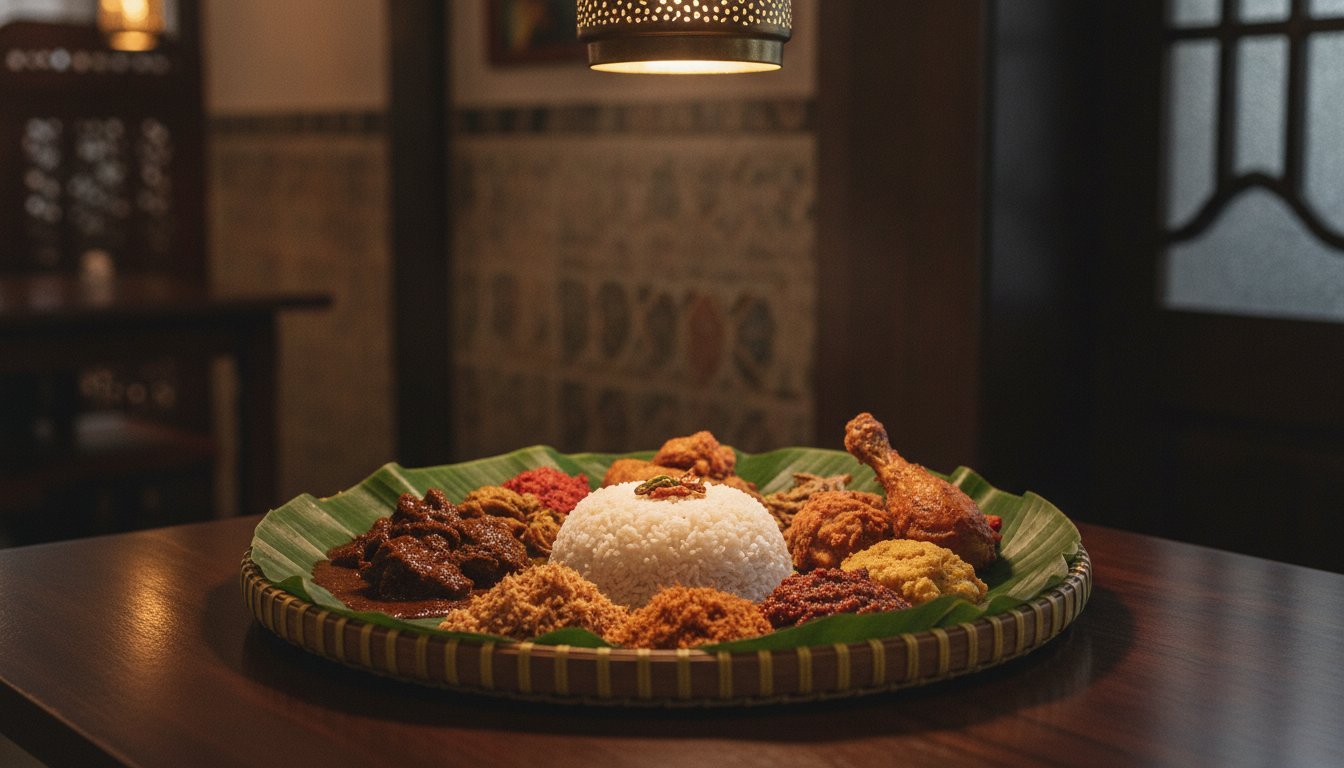

Finding a truly authentic plate of Nasi Ambeng in a sea of generic food courts is often more difficult than most diners realize. You’ve likely felt the frustration of seeking out traditional local food only to end up at a tourist trap that lacks the depth of heritage you crave. It’s also common to feel confused by the subtle differences between a communal Nasi Ambeng platter and a fragrant Nasi Sambal Goreng when both appear similar on the surface. We understand that you want more than just a meal; you want a genuine connection to the culinary roots of our region.
This guide will help you discover the rich heritage and diverse flavors of Singaporean local food with a focus on authentic Halal-certified Malay and Indonesian traditions. You’ll gain a clear understanding of the specific dishes that define our culture and learn how to identify the latest MUIS certification standards, including the new QR code verification system. We’ll provide a detailed look at the communal dining practices and versatile menu concepts that make these meals special so you can choose your next dining destination with absolute confidence.
Key Takeaways
- Understand the unique blend of Malay and Indonesian influences that define authentic local food in Singapore’s culinary landscape.
- Learn to distinguish between essential rice classics like the spicy Nasi Sambal Goreng and the communal Nasi Ambeng sharing platter.
- Discover how Western favorites like the Angus Burger are adapted for the local palate while maintaining strict Halal standards.
- Identify the specific criteria for authentic dining, including the new MUIS QR code system used to verify Halal certification in real-time.
- Explore the benefits of a dual-concept menu that transitions from daytime café favorites to traditional Indonesian cuisine in the evening.
The Diverse Landscape of Singaporean Local Food
Singapore’s culinary identity is built on centuries of interaction between different cultures. While many associate The Diverse Landscape of Singaporean Local Food primarily with hawker centers, the modern reality includes professional dining environments that elevate traditional recipes. Local food in this context represents a sophisticated blend of Malay, Indonesian, and cross-cultural influences. It’s a living history that reflects the island’s position as a historical trading hub.
For the community, these dishes are a cultural legacy rather than just sustenance. We’ve seen a steady shift from the informal street stalls of the mid-20th century to modern, Halal-certified venues. This evolution ensures that traditional flavors are preserved while meeting contemporary standards for hygiene and operational excellence. It allows families and professionals to enjoy heritage dishes in settings that are both comfortable and reliable.
The Role of Heritage in Modern Flavors
Historical trade routes brought specific spices to our shores that now define the bold profiles of Malay and Indonesian dishes. These include:
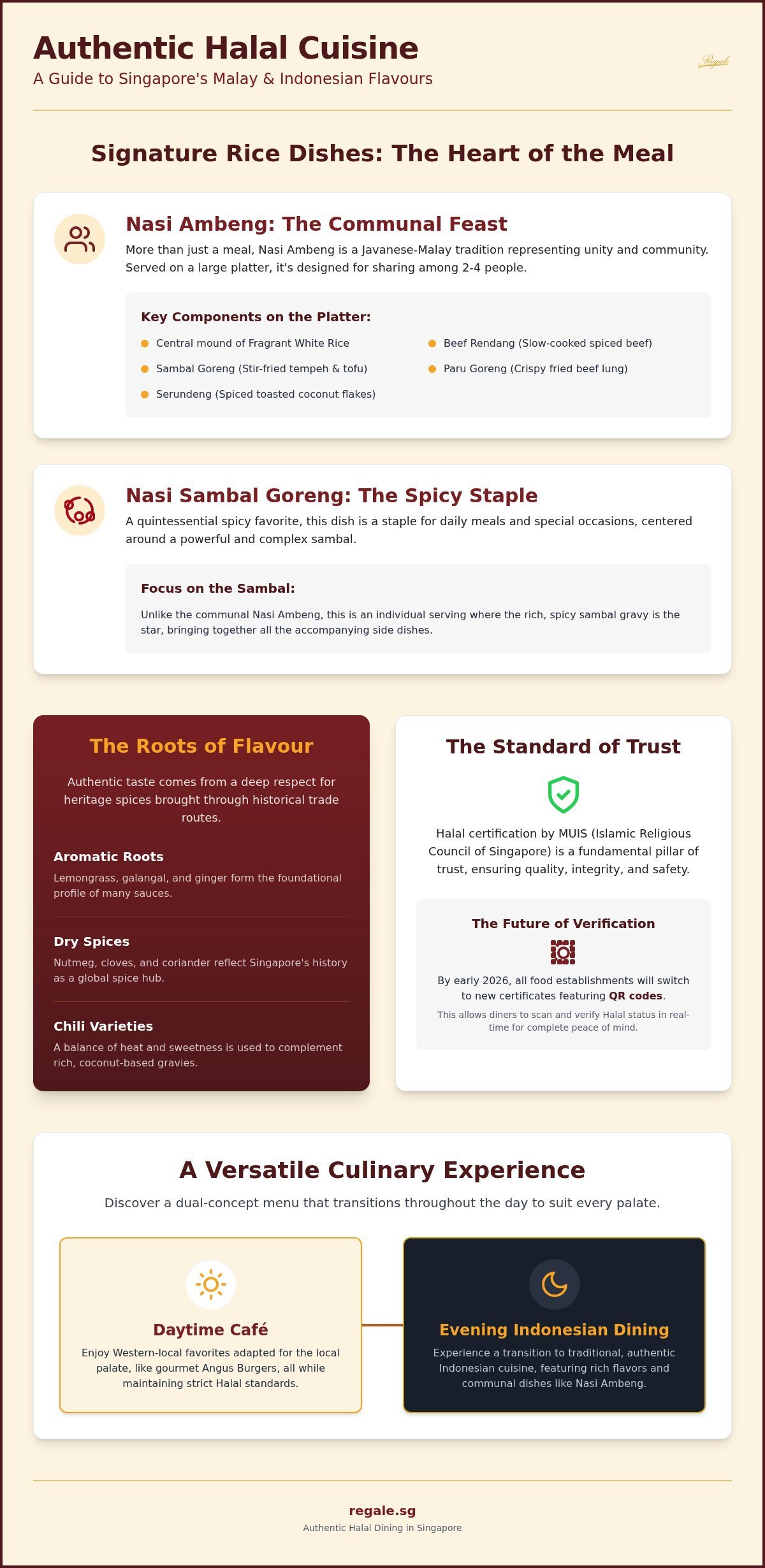
- Aromatic Roots: Lemongrass, galangal, and ginger provide the foundational flavor profiles of many traditional sauces.
- Dry Spices: Nutmeg, cloves, and coriander reflect our history as a global spice hub.
- Chili Varieties: Different levels of heat and sweetness are used to balance rich, coconut-based gravies.
Today, the role of a “Cultural Custodian” is vital for the industry. It’s about translating ancestral recipes into a professional kitchen setting without losing the soul of the dish. This process requires a deep respect for traditional preparation methods, ensuring every bite remains authentic even as presentation styles modernize.
Halal Certification: The Standard of Trust
Halal certification is a fundamental pillar of Singapore’s food scene. With Muslims making up approximately 15% of the resident population, providing Halal-certified options is essential for social inclusivity and community bonding. The Islamic Religious Council of Singapore (MUIS) maintains rigorous standards that extend beyond simple dietary restrictions. It’s a mark of quality control and ingredient integrity.
By early 2026, all food establishments must switch to new certificates featuring QR codes. This technology allows diners to verify an establishment’s Halal status in real-time, providing immediate peace of mind. This transparency builds lasting trust between the restaurant and the guest. It ensures that the local food you enjoy meets the highest ethical, religious, and safety standards available in the market.
Signature Rice Dishes: The Heart of Malay and Indonesian Local Food
Rice is the central element of the Malay and Indonesian culinary tradition in Singapore. It serves as a neutral canvas that allows complex spice blends and fiery sambals to shine. While many visitors are familiar with Nasi Lemak, the broader spectrum of local food includes celebratory “Golden Rice” dishes like Nasi Minyak and Briyani. These dishes utilize ghee and aromatic spices to create a rich, fragrant base for festive meals. Understanding these rice-based traditions is essential to appreciating Singapore’s food heritage and the depth of its regional flavors.
Nasi Ambeng: More Than Just a Platter
Nasi Ambeng is a traditional Javanese-Malay fragrant rice dish served with multiple side dishes on a large platter. Beyond its impressive presentation, this dish represents unity and community. It’s typically shared among several people, encouraging diners to engage with one another during the meal. The platter is carefully arranged with a mountain of white rice in the center, surrounded by diverse sides such as:
- Beef Rendang: Slow-cooked beef in a rich coconut and spice reduction.
- Sambal Goreng: A stir-fry of tempeh, tofu, and long beans.
- Paru Goreng: Crispy fried beef lung.
- Serundeng: Spiced, toasted coconut flakes.
Each component contributes to a balanced profile of textures and tastes. This communal style of dining remains a cornerstone of the experience at an authentic Indonesian Restaurant in Singapore, where the focus is on shared heritage and hospitality.
The Complexity of Nasi Sambal Goreng
Nasi Sambal Goreng is a quintessential spicy favorite that remains a staple for both daily lunch and special occasions. The heart of the dish is the sambal goreng itself, which requires a precise balance of heat, sweetness, and savory notes. To achieve this, chefs combine fermented soy cake (tempeh), firm tofu, and long beans with a robust chili paste. The preparation involves frying the individual components before tossing them in a fragrant base of shallots, garlic, and shrimp paste.
This dish reflects the practical nature of local food preparation, where humble ingredients are transformed through skillful seasoning. It provides a satisfying, high-protein meal that is accessible yet deeply flavorful. Whether served as a standalone plate or as part of a larger spread, it remains one of the most reliable indicators of a kitchen’s mastery over traditional Malay spices.
The Evolution of Western-Local Favorites in Singapore
Western cuisine in Singapore has evolved into a unique category that reflects our diverse palate. It’s no longer seen as an imported luxury but as a distinct genre of local food. Many diners appreciate the accessibility of traditional flavors alongside Western classics, especially during the busy midday hours. This evolution is particularly evident in the “Halal Western” movement, which has become a preferred choice for office workers and families seeking a reliable, high-quality lunch. By adapting international formats to suit regional tastes, these dishes have earned a permanent place in the Singaporean culinary landscape.
The Daytime Dining Transformation
Many establishments operate with a dual-concept model to meet different needs throughout the day. During the morning and afternoon, the focus often shifts toward Western Cuisine favorites that provide a quick yet satisfying meal. The popularity of the Angus Burger in Singapore highlights this trend; it offers a premium, Halal-certified alternative to standard fast food. Families find this versatility helpful, as it allows younger diners to enjoy pastas or burgers while adults can still opt for traditional rice dishes. Maintaining MUIS Halal standards across these diverse styles ensures that every guest can dine with total confidence in the kitchen’s integrity.
Fusion Without Confusion
The true success of Western-local evolution lies in the seamless blend of regional spices with European cooking techniques. It isn’t about creating confusing “fusion” dishes, but rather about enhancing familiar Western formats with local flavor profiles. Professional kitchens manage these dual-concept menus through strict operational logistics. This ensures that the transition from a daytime café atmosphere to an evening of authentic Indonesian cuisine is smooth and methodical. Consider these benefits of a versatile menu:
- Broad Appeal: Caters to diverse groups where individuals have varying dietary preferences.
- Flavor Enhancement: Uses local aromatics like lemongrass or ginger to elevate standard Western sauces.
- Quality Control: Applies the same rigorous Halal sourcing to both local food and Western ingredients.
This approach allows a Halal restaurant to cater to everyone from international tourists to local residents. It reflects the adaptable nature of Singapore’s modern food scene, where tradition and modernity coexist on the same menu. By providing a clear structure for these diverse offerings, establishments can maintain their identity as cultural custodians while remaining modern and accessible to all.
Essential Criteria for Authentic Halal Dining
Authenticity in local food is defined by a commitment to traditional methods that cannot be bypassed for convenience. While the Halal certificate ensures religious compliance, the quality of the meal depends on the kitchen’s dedication to heritage preparation. Professional hospitality environments bridge the gap between old-school flavors and modern service standards, providing a reliable experience for both casual diners and large groups. Identifying a high-quality establishment requires looking for signs of operational excellence and culinary integrity.
Sourcing and Preparation Standards
The foundation of any authentic Malay or Indonesian dish is the rempah, or spice paste. Truly authentic establishments avoid pre-packaged powders, opting instead for freshly ground aromatics like lemongrass, turmeric, and galangal. This labor-intensive process ensures a depth of flavor that artificial additives simply cannot replicate. Authentic Briyani must use long-grain Basmati rice and a precise blend of spices to be considered local-standard.
Ingredient integrity also extends to the sambals. A house-made sambal should offer a complex balance of shrimp paste, chili, and lime, rather than a generic sweetness. When evaluating a kitchen, look for these signs of traditional mastery:
- Small-batch cooking: This ensures freshness and prevents the mass-produced taste often found in high-traffic tourist areas.
- Natural thickeners: Authentic recipes use candlenuts or coconut milk reductions instead of cornstarch to achieve the desired consistency.
- Slow-reduction techniques: Traditional dishes like rendang require hours of simmering to allow the flavors to caramelize naturally.
Atmosphere and Dining Experience
The physical environment plays a significant role in the perception of authenticity. For Authentic Indonesian Cuisine, the evening atmosphere is particularly important. As the day transitions, subtle changes in lighting and decor help transform a functional daytime eatery into a warm, inviting destination for communal dining. This shift mirrors the traditional culture of gathering for a substantial evening meal after a day of work, creating a grounded and respectful setting for guests.
Hospitality in this context is about more than just speed; it’s about making guests feel like part of a community. Communal dining spaces are preferred for traditional platters, providing the physical room needed for groups to share a meal comfortably. A professional team understands the logistics of serving these large-format dishes while maintaining a respectful, steady pace. This combination of culinary rigor and a hospitable environment is what separates a premier Halal restaurant from a generic food outlet. By prioritizing these standards, you ensure that your experience with local food is both culturally rooted and professionally delivered.
Experience Traditional Excellence at Regale Singapore
Regale Singapore serves as a premier destination for those seeking the highest standards of local food in a professional, hospitable setting. By combining traditional culinary mastery with modern operational excellence, we provide a space where heritage is preserved and celebrated daily. Our kitchen operates with a sense of quiet competence, ensuring every guest experiences the authentic depth of Malay and Indonesian traditions. We take pride in our role as a cultural custodian, bridging the gap between historical recipes and the expectations of today’s discerning diners.
A Menu for Every Time of Day
The dining experience at Regale is designed to adapt to the specific needs of our guests throughout the day. From 10 AM to 5 PM, the selection features a balanced mix of Western Cuisine favorites and local staples. This includes our signature Angus Burger, which provides a premium, Halal-certified option for a satisfying and efficient midday break. Families and professionals alike appreciate this versatility, as it allows for diverse preferences to be met in a single location.
As evening approaches, the restaurant undergoes a methodical transformation. Starting at 6 PM, the menu shifts its focus entirely to Authentic Indonesian Cuisine, offering a more formal and culturally immersive dinner experience. This dual-concept approach makes us a reliable partner for both casual business lunches and significant life events. The transition is seamless, reflecting our commitment to logistical readiness and high service levels regardless of the time you choose to visit.
The Regale Commitment to Heritage
As an authoritative expert in our culinary niche, Regale Singapore prioritizes the integrity of every recipe. We specialize in traditional Nasi Ambeng sharing platters and fragrant Nasi Sambal Goreng, using techniques that have been passed down through generations. Our chefs rely on freshly ground aromatics and slow-reduction methods to achieve the complex flavor profiles that define high-quality local food. This dedication to authenticity is backed by our strict adherence to MUIS Halal certification standards, ensuring a dining environment that is inclusive and dependable.
We invite you to experience our “Versatile Professional” service style for yourself. Beyond our restaurant operations, we also offer Halal Catering and Halal Mini Buffet options for those wishing to bring these traditional flavors to their own significant events. Whether you’re joining us for a quiet dinner or planning a large communal gathering, we remain committed to providing excellence in every dish. Trust in our established reliability as we continue to serve the community with pride and respect for our shared culinary legacy.
Embracing the Future of Heritage Dining
Singapore’s culinary identity thrives on the careful preservation of traditional recipes and the rigorous standards of Halal certification. We’ve explored how signature rice dishes like Nasi Ambeng serve as cultural anchors, bringing communities together through shared meals. Authentic local food is defined by this dedication to heritage and the use of traditional preparation methods that ensure every flavor remains genuine. It’s about more than just a meal; it’s a living legacy that continues to evolve through professional culinary excellence.
Regale Singapore stands as a reliable partner in this journey, offering a professionally managed environment where tradition meets modern service. As a MUIS Halal Certified establishment, we specialize in traditional Nasi Ambeng sharing platters and provide an authentic Indonesian evening menu for those seeking a deeper connection to regional flavors. Experience authentic Halal local food at Regale Singapore and join us in celebrating the rich tapestry of our region’s flavors. We look forward to serving you a taste of tradition in a setting that values both heritage and hospitality.
Frequently Asked Questions
What is considered authentic local food in Singapore?
Authentic local food is a reflection of the island’s multi-cultural history, specifically the blend of Malay, Indonesian, and cross-cultural influences. It includes dishes that utilize traditional preparation methods, such as hand-ground spice pastes and slow-cooking techniques. Authenticity is often marked by the use of regional ingredients like galangal, lemongrass, and shrimp paste to create complex flavor profiles that have been passed down through generations of families and professional kitchens.
Where can I find the best Halal-certified local food?
You can find high-quality Halal-certified local food at establishments that carry the MUIS Halal certificate, which ensures strict adherence to Islamic dietary laws and hygiene standards. Professional restaurants like Regale Singapore offer a reliable dining experience where quality control is prioritized. By early 2026, you should look for certificates featuring QR codes to verify validity in real-time. These venues often bridge the gap between traditional street-side flavors and modern hospitality standards.
What is the difference between Nasi Ambeng and Nasi Sambal Goreng?
The primary difference lies in the presentation and the communal nature of the meal. Nasi Ambeng is a large sharing platter centered around a mountain of rice, surrounded by various side dishes like beef rendang and serundeng. Nasi Sambal Goreng is typically served as an individual plate featuring a specific stir-fry of tempeh, tofu, and long beans in a spicy chili paste. While both share similar ingredients, Nasi Ambeng is specifically designed for group dining.
Is Western food considered part of the local food scene in Singapore?
Yes, Western cuisine has been localized over several decades to suit the Singaporean palate, becoming a staple of the local food landscape. This is especially true in the Halal dining sector, where localized Western dishes like the Angus Burger or specialized pastas are highly popular for midday meals. These dishes often incorporate regional seasoning or are served in dual-concept venues that transition from daytime café favorites to traditional evening heritage specialties.
Why is Nasi Ambeng served as a sharing platter?
Nasi Ambeng is served as a sharing platter to symbolize unity, community, and hospitality within Javanese-Malay culture. The act of eating from the same large tray encourages conversation and bonding among family members or friends. This communal dining style is a traditional practice that transforms a simple meal into a significant social event. It reflects the cultural value of sharing one’s blessings and remains a popular choice for celebrations and group gatherings in Singapore.
What makes Indonesian cuisine different from Malay cuisine in Singapore?
While they share many ingredients, Indonesian cuisine in Singapore often features distinct regional spice profiles and specific cooking styles from the archipelago. For example, Indonesian dishes might utilize different varieties of sambal or specific coconut-based reductions that result in a different balance of sweetness and heat compared to local Malay versions. Professional establishments often specialize in authentic Indonesian dinner menus to highlight these unique culinary nuances, such as specific rendang textures or soto preparations.
Are there Halal-certified Western food options in Singapore?
There are numerous Halal-certified Western food options throughout Singapore, ranging from fast-casual outlets to professional restaurants. Establishments like Regale Singapore offer a dual-concept menu where guests can enjoy Western classics during the day. These options include premium burgers and pastas that meet MUIS Halal standards, ensuring that Muslim diners have access to high-quality international flavors. This inclusivity allows diverse groups to dine together comfortably while adhering to their dietary requirements.
What should I look for in a traditional Briyani?
A traditional Briyani should feature long-grain Basmati rice that is light, fluffy, and separate rather than clumpy. The rice must be infused with a precise blend of aromatic spices like cardamom, cloves, and cinnamon, often achieving a golden appearance. You should also look for tender, well-marinated meat that’s been slow-cooked to absorb the spices. Authentic versions avoid artificial coloring and rely on traditional techniques to ensure a balanced, fragrant, and savory profile.
